
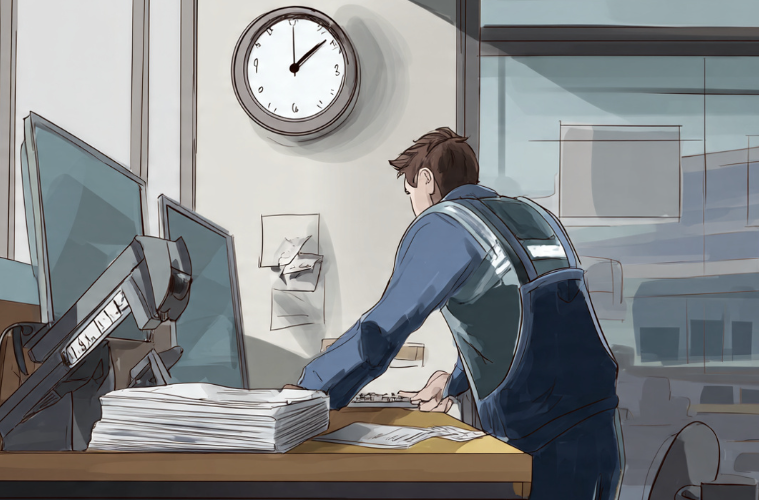
If you’ve spent the last year surviving on vending machine coffee and the fluorescent glow of office lights while your friends were out having “lives,” I have some news that might make those dark circles under your eyes slightly more patriotic. We need to talk about the One Big Beautiful Bill—and yes, that is its actual name, likely titled by someone who thinks the tax code should sound like a pageant winner. This sprawling piece of legislation has finally arrived to answer the age-old question: “If I sell my soul for forty-five minutes of extra work on a Tuesday, does the government still get to keep a piece of it?”
The headline version of this law sounds like a dream come true for the workaholics among us because it promises “No Tax on Overtime.” It’s the kind of phrase that makes a shift manager’s heart skip a beat. But before you go out and buy a jet on the assumption that your Saturday morning double-shift is now pure profit, we have to look at the fine print. In the world of the Internal Revenue Service, “no tax” actually means “a very specific deduction with enough caveats to fill a legal library.”
First off, the “Big Beautiful” part of the bill decided that only the “and-a-half” portion of your time-and-a-half is actually tax-free. Imagine you’re at a pizza party where the government says you can eat the crust for free, but they’re still going to tax the cheese and pepperoni. If your base rate is twenty dollars an hour and you’re making thirty for overtime, you only get a tax break on that extra ten dollars. The original twenty is still being nibbled on by Uncle Sam as if nothing happened. It’s a bit like getting a coupon for a free side of fries, but only if you buy the most expensive burger on the menu and wear a silly hat while ordering.
Then there is the reporting nightmare. Your employer is currently having a collective nervous breakdown trying to figure out how to track this. Starting this year, the IRS has introduced Code TT for Box 12 on your W-2. I like to think “TT” stands for “Total Tears” shed by payroll accountants everywhere, but it’s actually for reporting your “Qualified Overtime Compensation.” If you’re a high-flyer making over $150,000, the “Beautiful Bill” starts to look a little less attractive, as the deduction begins to phase out faster than a New Year’s resolution. By the time you hit the upper limits, your tax-free overtime dreams vanish entirely, leaving you with nothing but a very tired paycheck and a lot of questions about why you didn’t just stay home and nap.
Even with all the math and the “crust-only” tax breaks, it’s still a win for the working crowd. You can deduct up to $12,500 of that overtime premium, which is nothing to sneeze at, especially when the bill also tackles things like car loan interest and senior credits. Just remember that Social Security and Medicare are still taking their cut because even a Big Beautiful Bill isn’t brave enough to tell Grandma her check is getting smaller. So, go ahead and pick up that extra shift, but keep your expectations grounded. You aren’t getting a tax-free fortune, but you are getting a slightly more efficient way to pay for the caffeine that keeps you going.